


Universities and programs
How to Choose the Right University
A practical way to evaluate universities against your goals, rather than a list of famous names.
8 min read
Read guideUndergraduate program
An undergraduate commerce degree at the University of Melbourne. Many students take a three-year bachelor’s with room for breadth subjects, then consider a later professional master’s if their career path needs one.
Explore this program and related study options.
The Bachelor of Commerce is a first degree in business and related quantitative subjects, not a master’s in management. You typically build a major — for example in a business discipline the faculty currently offers — alongside other commerce subjects.
Melbourne’s undergraduate model often includes breadth: subjects from outside the faculty. That can be useful if you want range. It can feel indirect if you already want a tightly professional first qualification.
Some careers that students associate with “commerce” — such as certain professional accreditations — may need further study. Check the pathway, not only the bachelor’s title.
The degree is a foundation in how organisations, markets and numbers work. The major you choose shapes how specialised the three years feel.
Early subjects typically cover core business and quantitative building blocks. The faculty handbook lists the current cores.
You specialise through a major. Availability and rules are in the handbook. Do not assume every business topic is a major.
Where the degree requires or allows breadth, you take subjects outside commerce. That is a structural choice Melbourne makes — weigh whether you want it.
Internships and employability activities may exist; they are not the same as a guaranteed placement or a licensed professional qualification.
Australian bachelor’s degrees are organised in points/credits across semesters. The faculty sets cores, major sequences and any capstone.
A typical pattern is compulsory commerce subjects, a major sequence, and remaining points in electives or breadth. Confirm the current map.
We do not list every first-year subject by name. Handbooks change. Use the University of Melbourne course page.
Undergraduate entry looks at your secondary qualification, any prerequisite subjects (often including mathematics), and English language evidence.
The faculty publishes the entry standard and prerequisites for Commerce. These differ by curriculum (IB, A-levels, national high school, and others).
Many commerce degrees require a stated level of mathematics. Missing it is a common reason an application is not competitive. Check the prerequisite, not a general “business” rumour.
Academic transcripts and, for many international applicants, English language evidence. Follow the official international admissions checklist.
Guaranteed entry into later professional master’s programmes, where advertised, has its own rules. Do not assume Commerce automatically leads into a graduate professional degree.
The University of Melbourne publishes accepted tests and scores, which can differ by faculty. Commerce uses the published undergraduate rule for your intake.
Some applicants meet the requirement through prior study in English. Others need a test. We do not reprint unofficial score tables.
Confirm the current English language requirement for Bachelor of Commerce before you book a test.
International tuition is published per course. Commerce is not the same fee as arts, and a later professional master’s is another fee again.
Use the official international fee for Bachelor of Commerce and your commencing year. Combined or graduate degrees have separate tables.
Parkville is inner-city. Rent is a major line. Destination cost guidance explains how to think about living costs without a fake weekly figure on this page.
Fees change by year. We do not display unofficial averages.
The Melbourne International Undergraduate Scholarship is listed here as a university scheme, typically partial and merit-based. It is not guaranteed. Australia Awards and other national schemes may also be relevant.
University of Melbourne · Partial tuition
View detailsCommerce can support pathways into business, finance, consulting, government or further study. It does not place you in a firm or a salary band.
Graduates may explore roles that use accounting, finance, economics or management knowledge — depending on the major and what they do beside the degree.
Some professions require accredited further study or exams after the bachelor’s. Check that map early if a licence matters to you.
Melbourne’s graduate professional degrees, where they exist, are separate applications with their own bars.
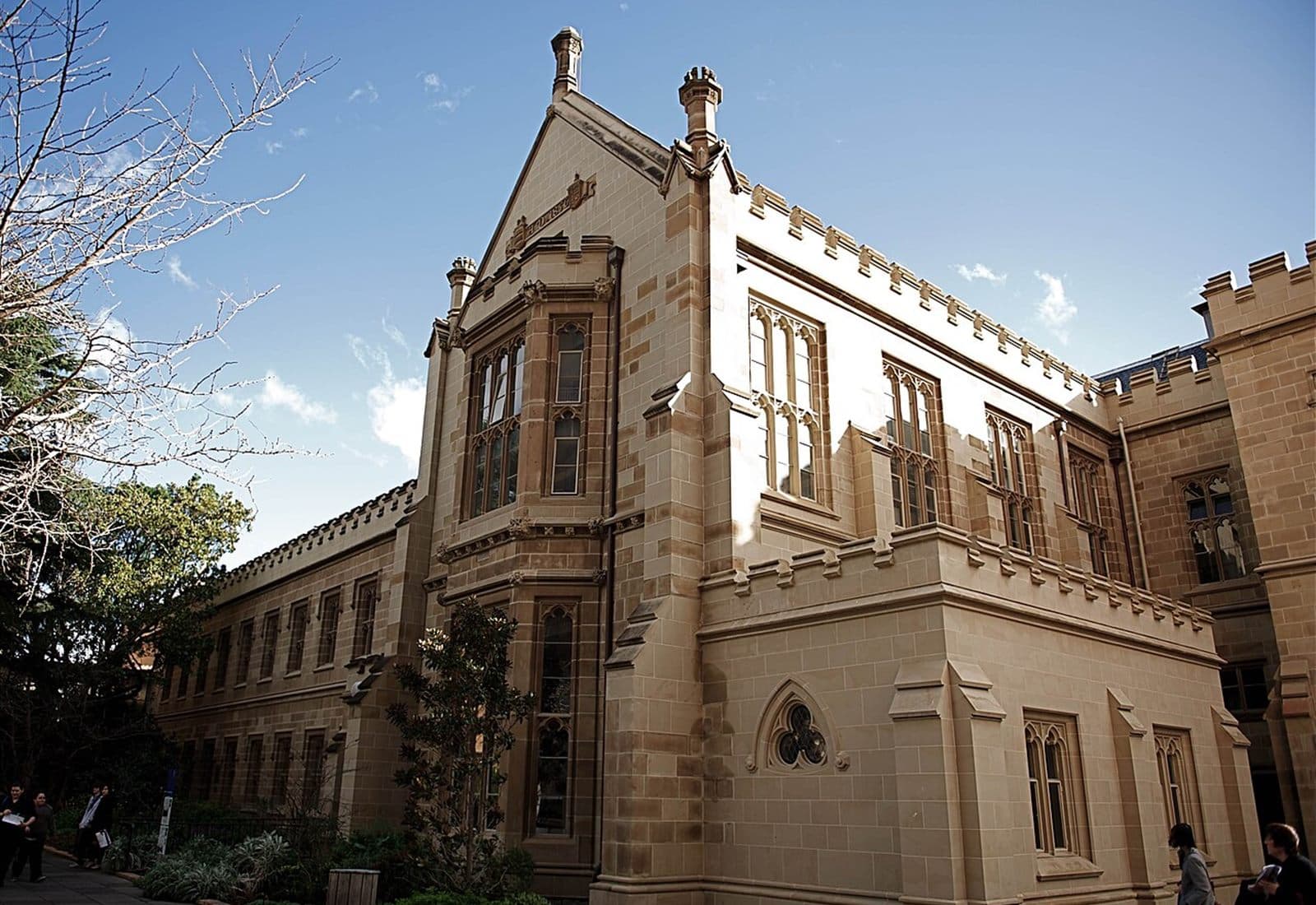
Parkville is an inner-city campus just north of Melbourne’s centre. The undergraduate breadth model is part of how this university is organised — read the university page if that is new to you.
Student visas, Overseas Student Health Cover and typical Australian degree length are destination topics. Use the Australia page rather than this course profile.
Semester 1 (early in the calendar year) is the main undergraduate intake. Mid-year entry, if offered, is listed on the official page. Closing dates differ for international applicants.
Plan first for Semester 1 unless the course page shows a Semester 2 option that fits you.
Check the current international closing date for Commerce. We do not freeze a date on this page.
Short answers for orientation. Official course pages remain the source of truth for your year of entry.
Undergraduate commerce: cores, a major, and often breadth subjects outside the faculty. The handbook has the current subject list.
Typically three years full-time. Confirm points requirements and any concurrent diploma options on the official page.
A recognised secondary qualification, any mathematics prerequisite, and English language evidence where required. Standards differ by curriculum.
Melbourne publishes accepted tests and scores for undergraduate study. Confirm the current Commerce rule for your intake.
International tuition is listed per course and year. Living costs in Melbourne are separate. We do not quote unofficial figures.
It may prepare you for business-related work or further professional study. It does not guarantee a job, salary or visa.
International applicants usually apply directly to the university or through an authorised pathway. Application Support can help you organise the file.
Other programmes we currently list in the same study area, university or level — a comparison set, not a ranking.
Practical reading while you decide whether this programme — and this university — may fit.
Universities and programs
A practical way to evaluate universities against your goals, rather than a list of famous names.
8 min read
Read guide
Scholarships and funding
Tuition is only part of the picture. Use this guide to think through living costs, funding and planning.
6 min read
Read guide
Applications
Documents, tests, timelines and the practical things to gather before you apply.
5 min read
Read guideFit depends on the subject, your background, budget and where you want to study — not on a degree title alone. A conversation can help you see whether this programme, or another, may be the right next step.